Stories
Made in Ulverstone – Rallying Round the World
Status Awareness Systems | RallySafe | RaceSafe | RSLite
From an unassuming old Government office block to the dust of a European rally stage, Status Awareness Systems (SAS) has pulled off something that looks like a Tasmanian magic trick, though the reality is even more impressive.
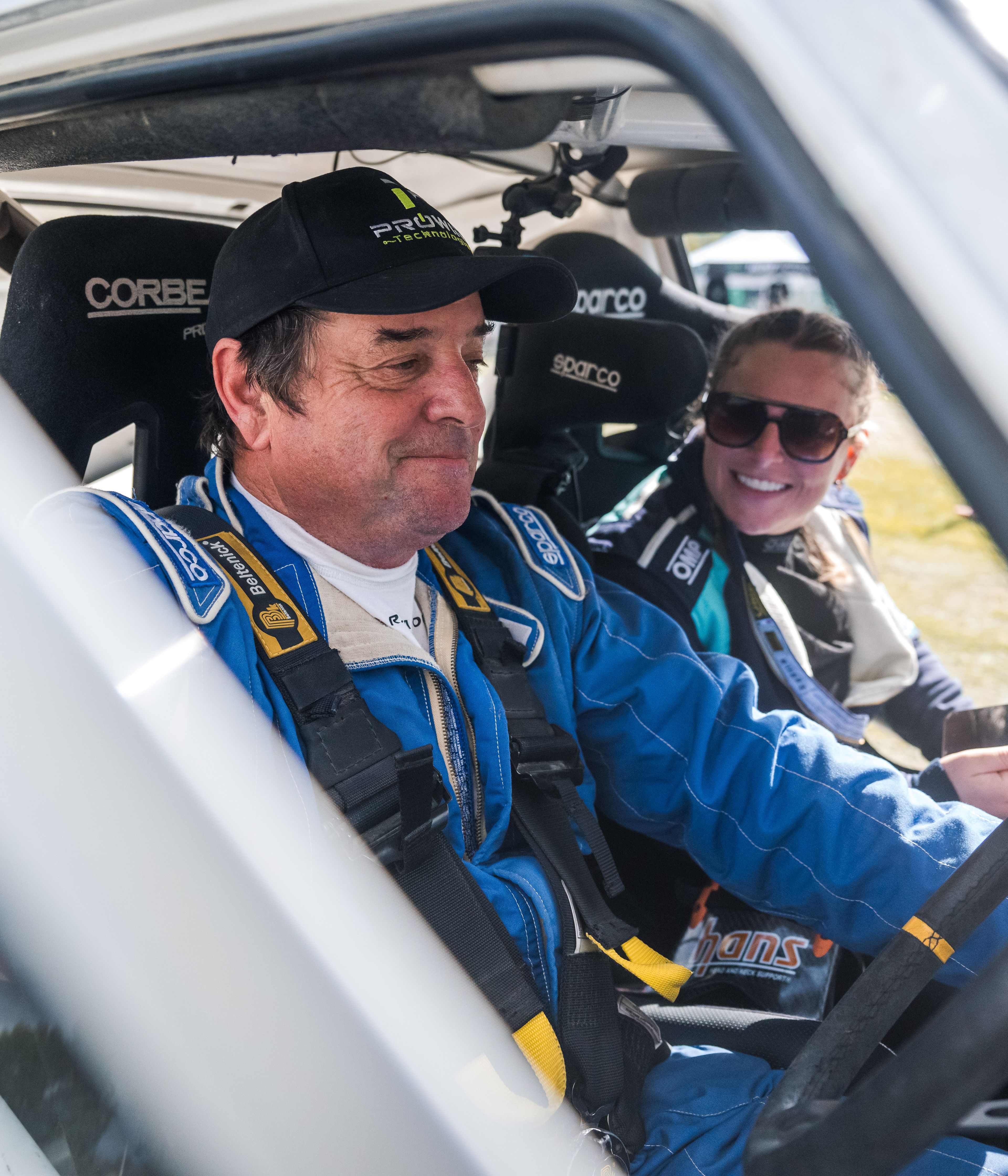
This family-owned business has turned precision engineering into split-second, life-saving technology that protects competitors, officials and spectators at rally events across six of the world's seven continents. If rallying were ever held in Antarctica, chances are SAS would be there too.
Today, SAS is a global leader in motorsport safety, communication and timing, developing patented technology that has changed the way rally events are managed around the world, an extraordinary achievement for a company that began with one simple goal: to make motorsport safer for everyone involved.
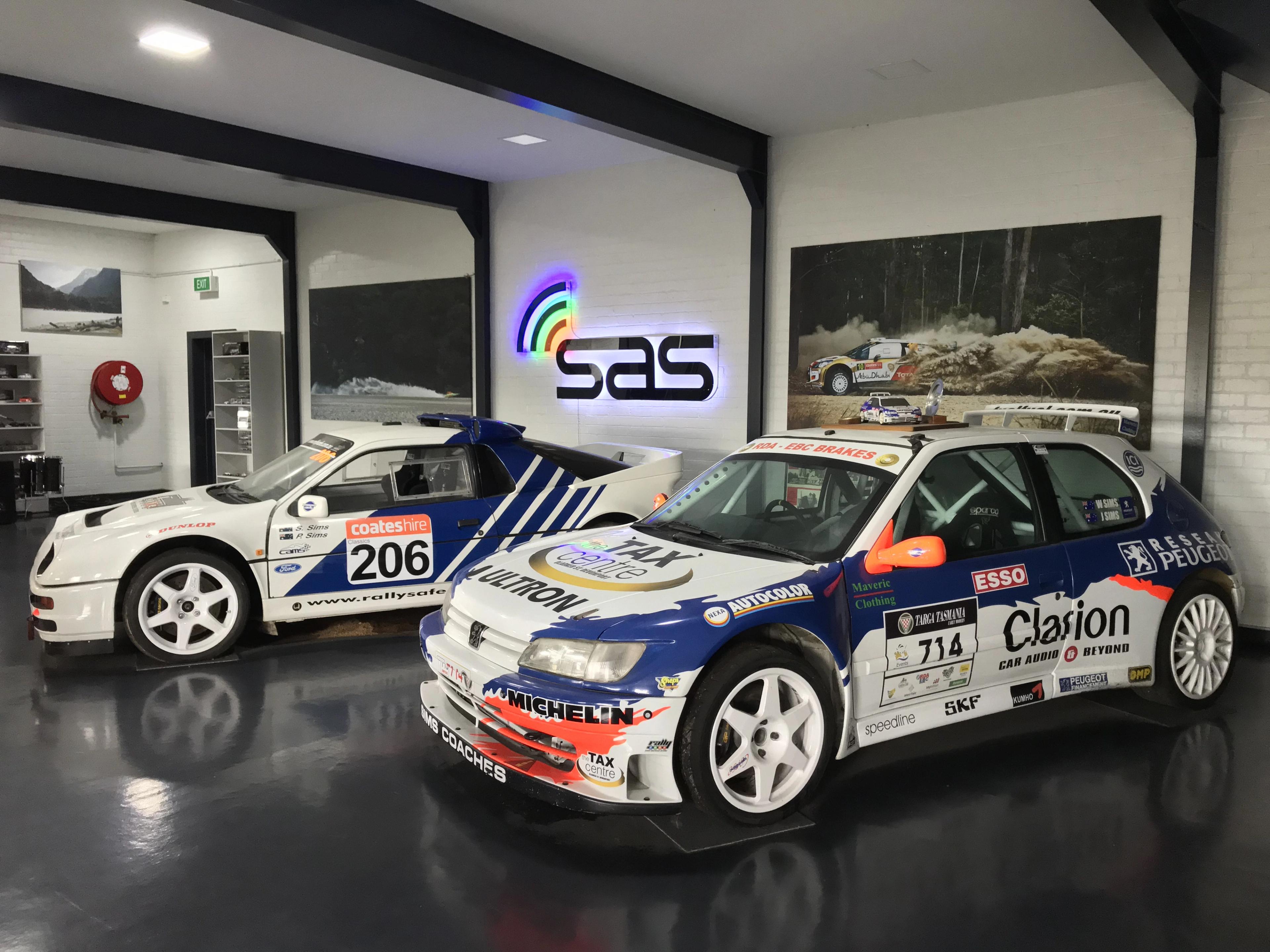
A Tragedy That Started the Road to Success
The idea was born after a secondary incident resulted in a double fatality in 1998, when Stephen Sims was competing in Rally Tasmania and tragically lost two friends. He knew that safety could be improved. The technology wasn't available at the time, but the idea stayed with him.
“It would be nice if we could improve the way things are done as far as relaying information about a major accident during an event in a remote location.”
A secondary collision occurs when a competitor encounters an earlier accident without enough warning to avoid it, the crashed vehicle hidden by a blind corner, thick dust or challenging terrain, leaving approaching crews with little or no time to react. These incidents are often considered more dangerous than the original accident.
Determined to find a solution, the founders set themselves a daunting challenge: how could drivers be warned instantly about hazards ahead, in rally stages spread across rugged, remote landscapes, with no mobile coverage and no nearby spectators? The answer was simple, even if the engineering was not: make cars communicate with each other in real time, while keeping race control and emergency responders constantly informed.
That vision became RallySafe.
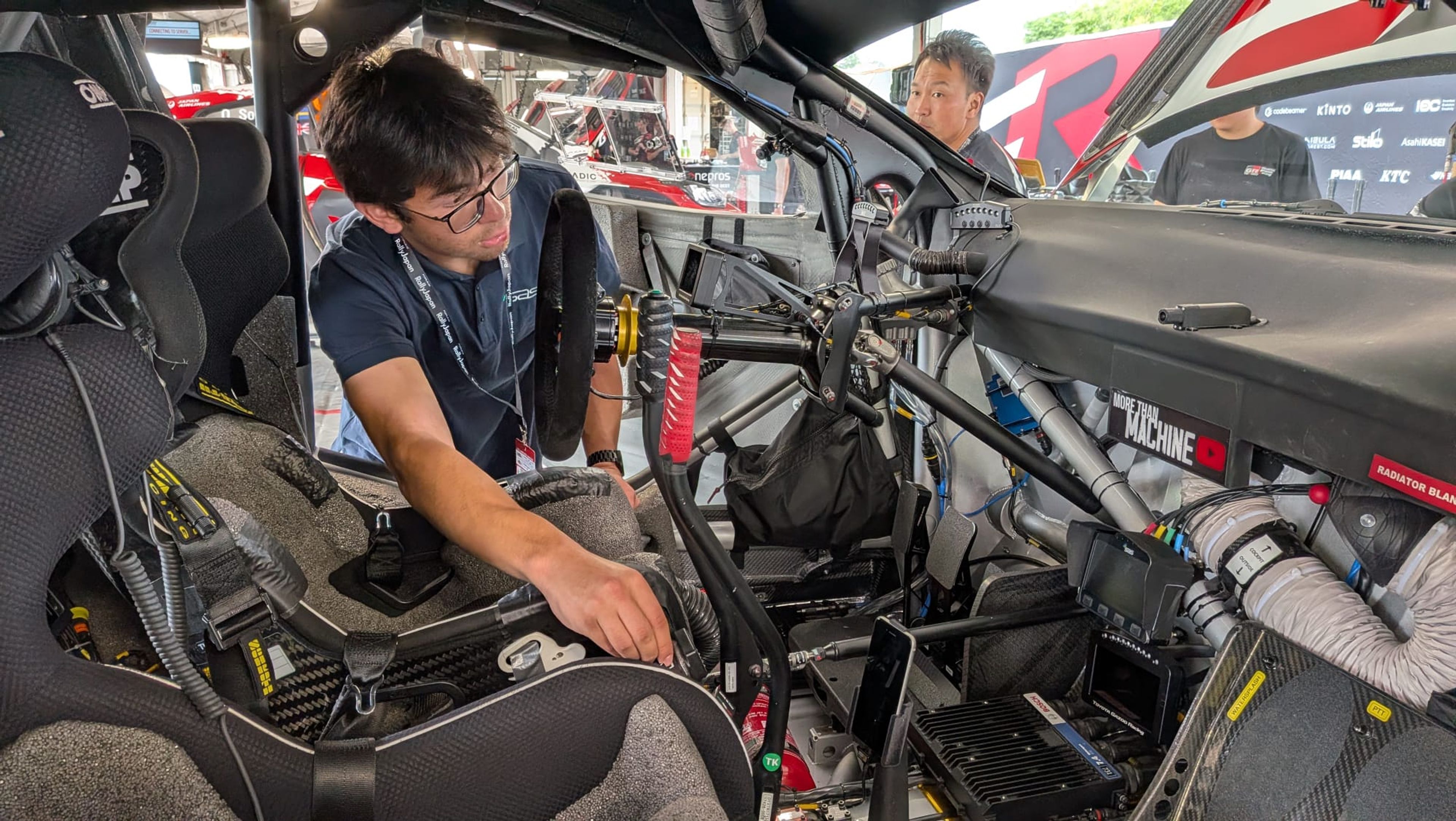
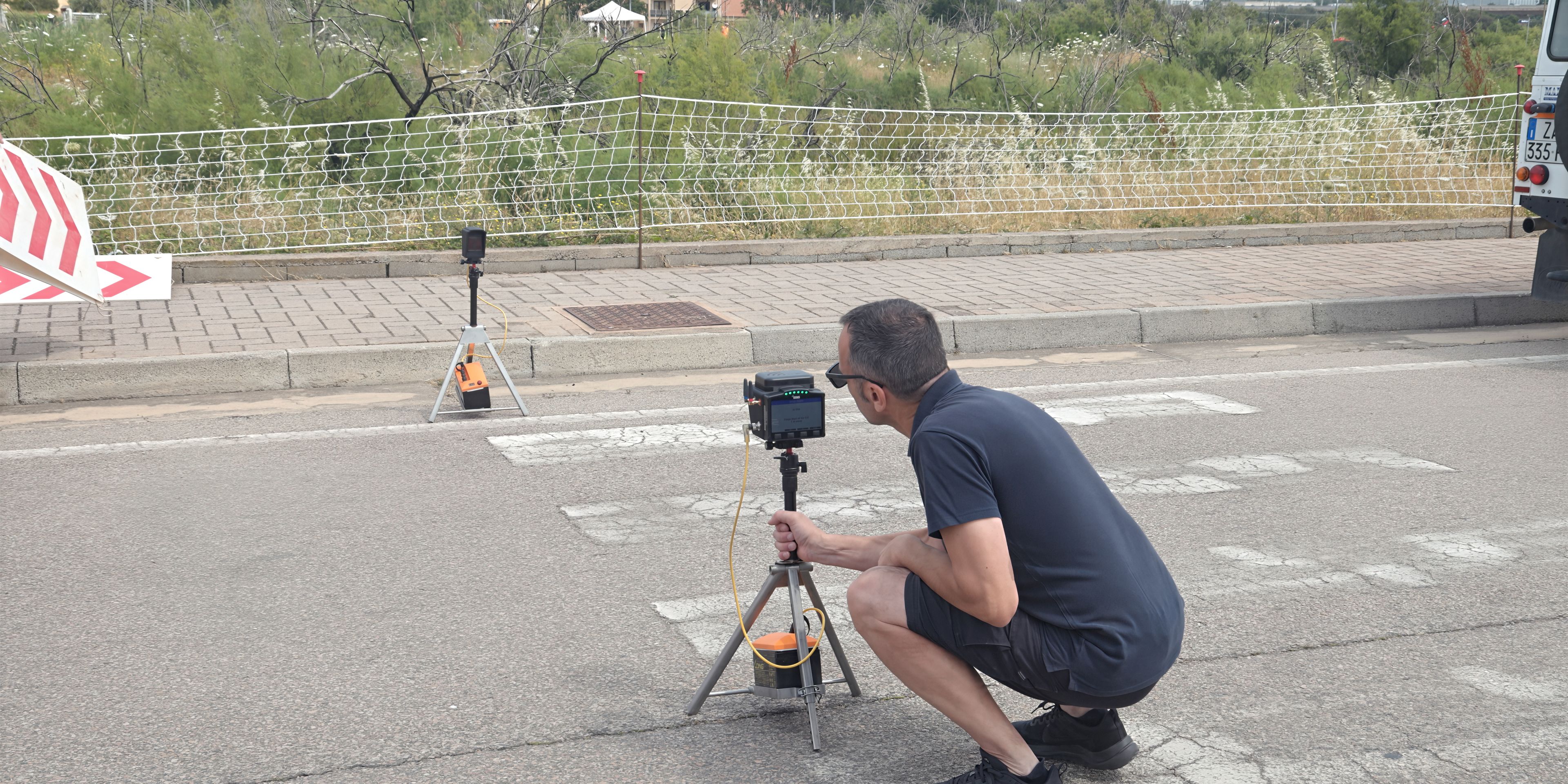
Using GPS for precise vehicle positioning, together with satellite, cellular and radio communications, RallySafe automatically shares critical safety information between competing vehicles and race control.If a vehicle crashes hard or stops unexpectedly on the stage, approaching crews receive an instant warning, no human intervention required.
That last point is crucial. In a serious accident, the crew involved may not be able to call for help. RallySafe does it for them.
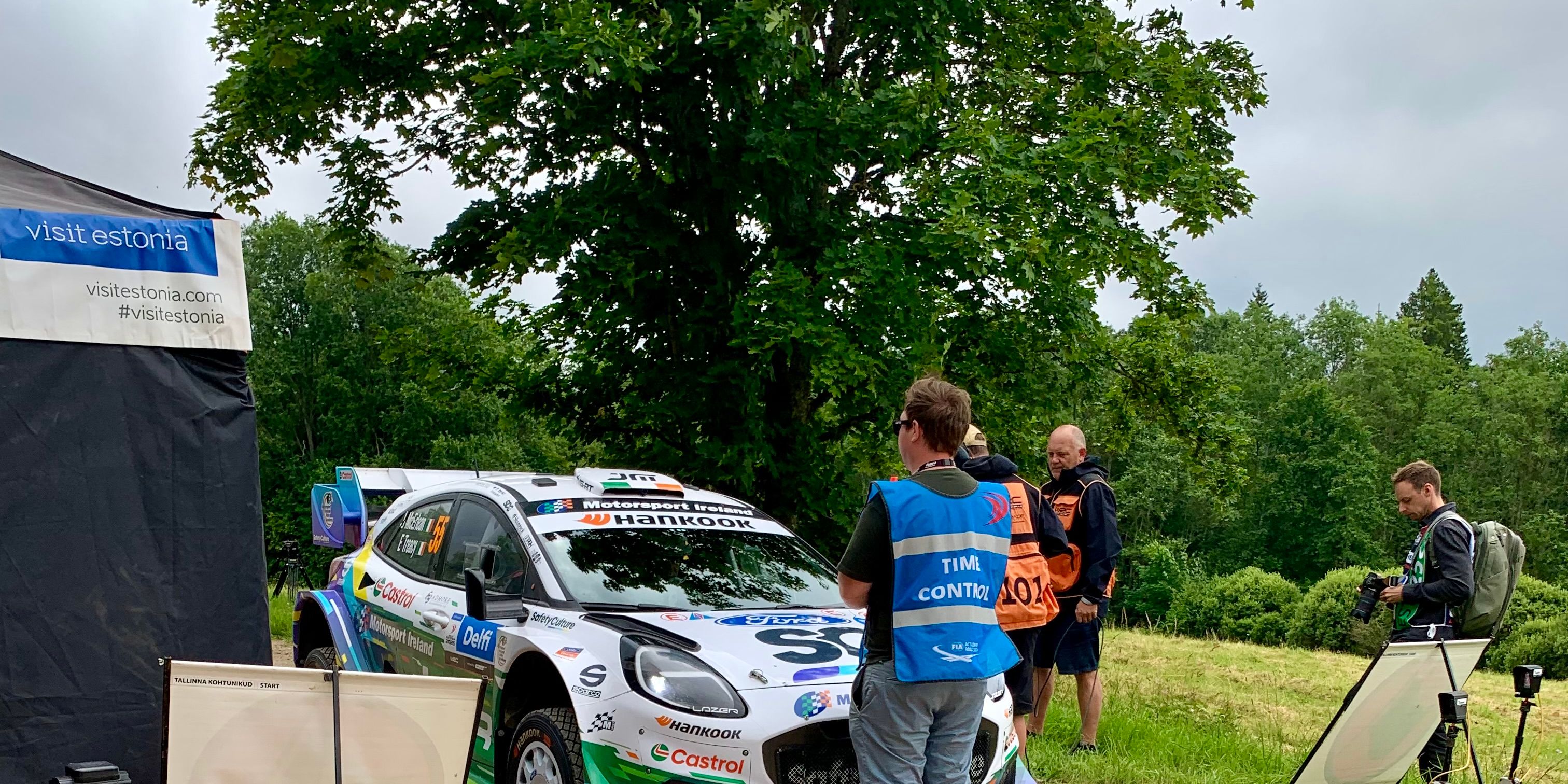
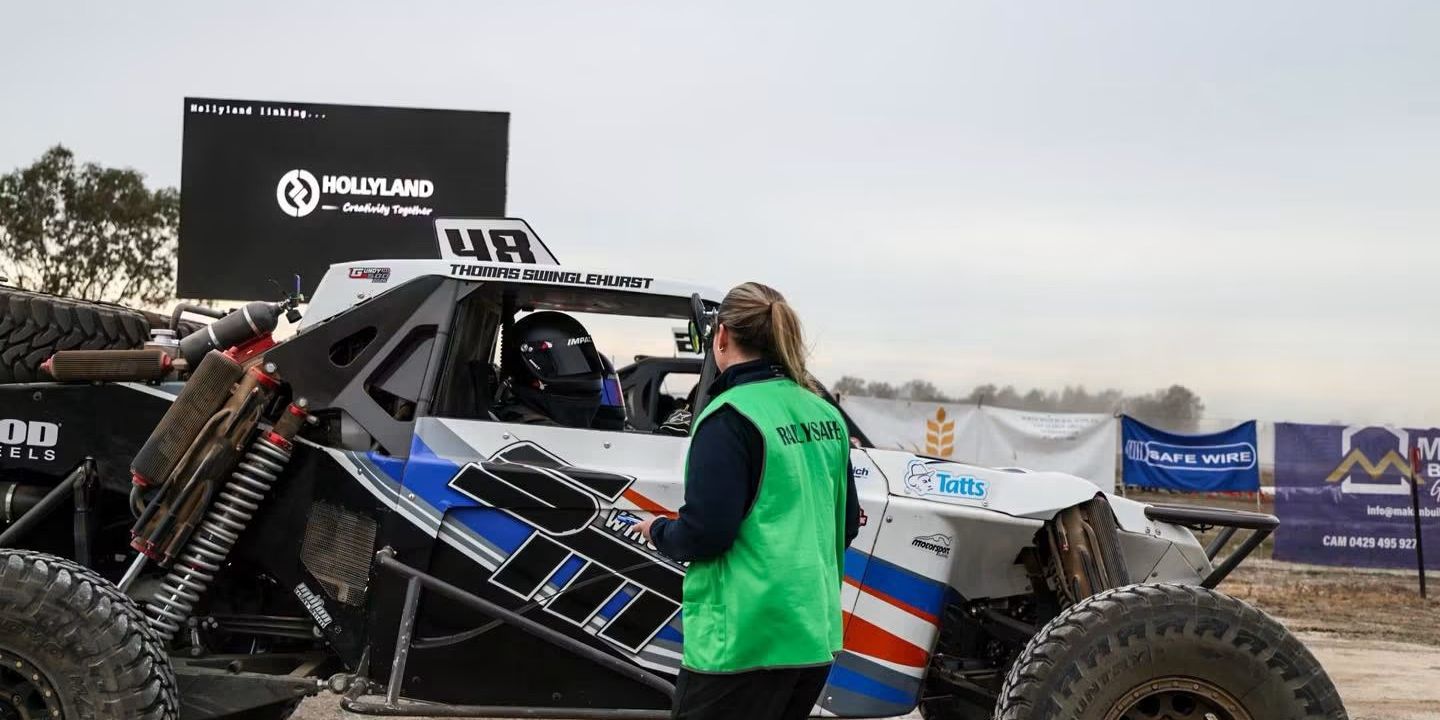
Today, SAS technology is used throughout the FIA World Rally Championship and European Rally Championship, as well as national rally championships in Australia, New Zealand, the USA and Canada, and has expanded into off-road motorsport events around the world.
From a determined desire to prevent future accidents, SAS has become one of the coast's genuine technology success stories.
Family, Not Just Founders
Here's the part of this story that we love: that despite its global coverage, SAS is still, at its heart, a family business.
Stephen Sims founded the company and remains Managing Director. Co-founder Wayne Maxwell, the technical mind behind much of the company's innovation, continues to serve as Technical Director.
Stephen's son, Jobe, is Global Operations Manager, while his daughter, Abbey, manages operations across Australia and New Zealand. Wayne's son, Ephraim, is working as an Events and Workshop Technician during a gap year before starting university in 2027, and his daughter, Mia, recently began her first job in the SAS workshop.
Beyond the family is a close-knit team of hardware developers, software engineers, mapping technicians and event specialists, who together have created something increasingly rare: a workplace where the people designing world-leading safety technology know one another well and work together to solve complex challenges.
For a company whose technology protects competitors around the world, it's fitting that its greatest strength remains the people behind it.
“SAS may have grown around the world, but at its heart, it remains a family business. I’m proud of what we’ve built, but even prouder of the people and family who continue to make it what it is today.”
– Stephen Sims
Built to Work, Not to Impress
The SAS premises were not built for this. Like plenty of buildings scattered across the Central Coast, it started life doing something else entirely, in this case, as a badminton court, and was repurposed rather than purpose-built.
Their market is almost entirely overseas, so there is no need for street appeal or a flashy shopfront. Inside, though, engineers are soldering together the internal workings of devices that will be strapped to vehicles hurtling through the Australian outback, the mountains of Canada, and around the ruins of the Colosseum in Rome at genuinely alarming speeds.
When the Trackers Went to the Horses
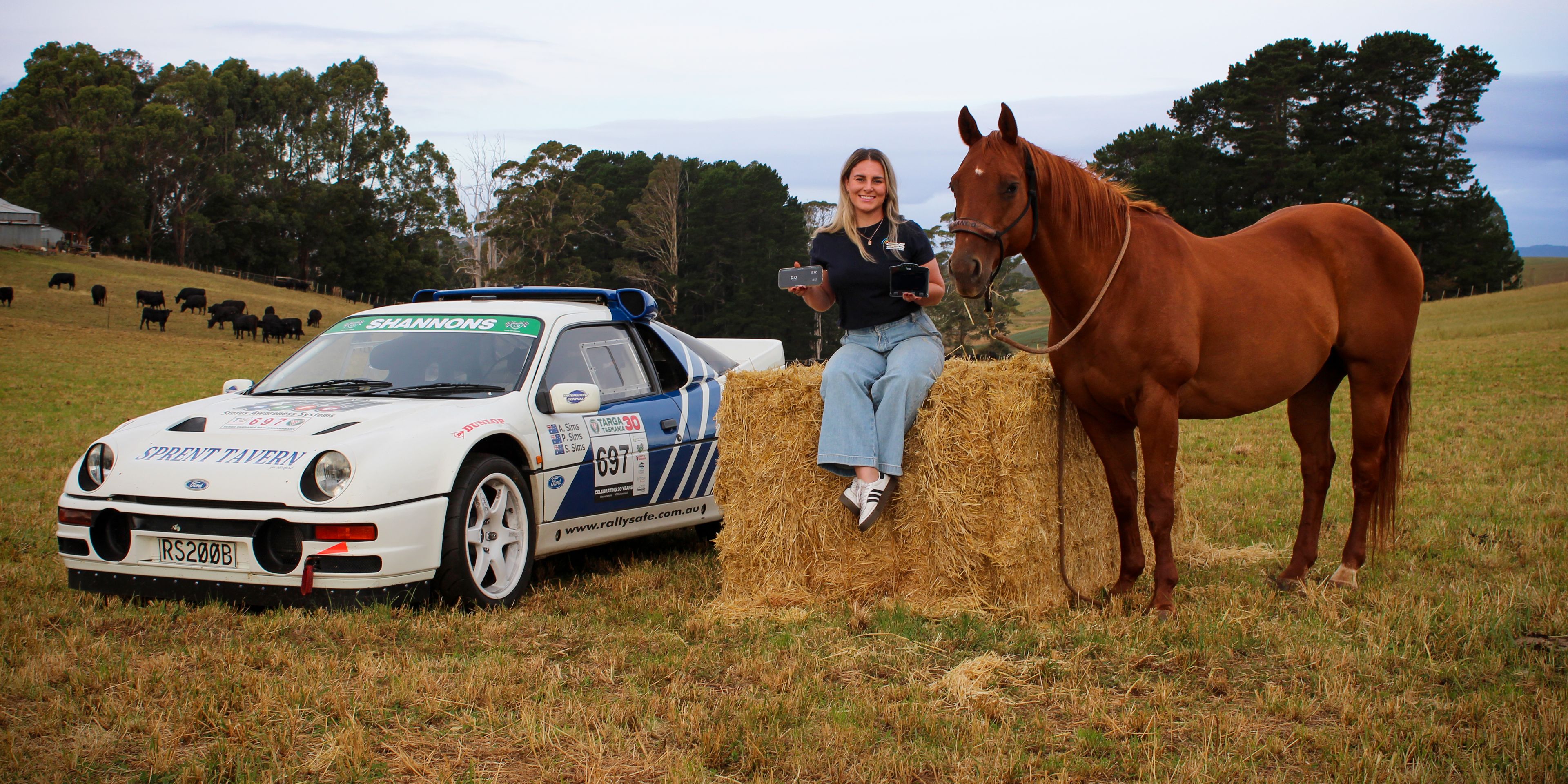
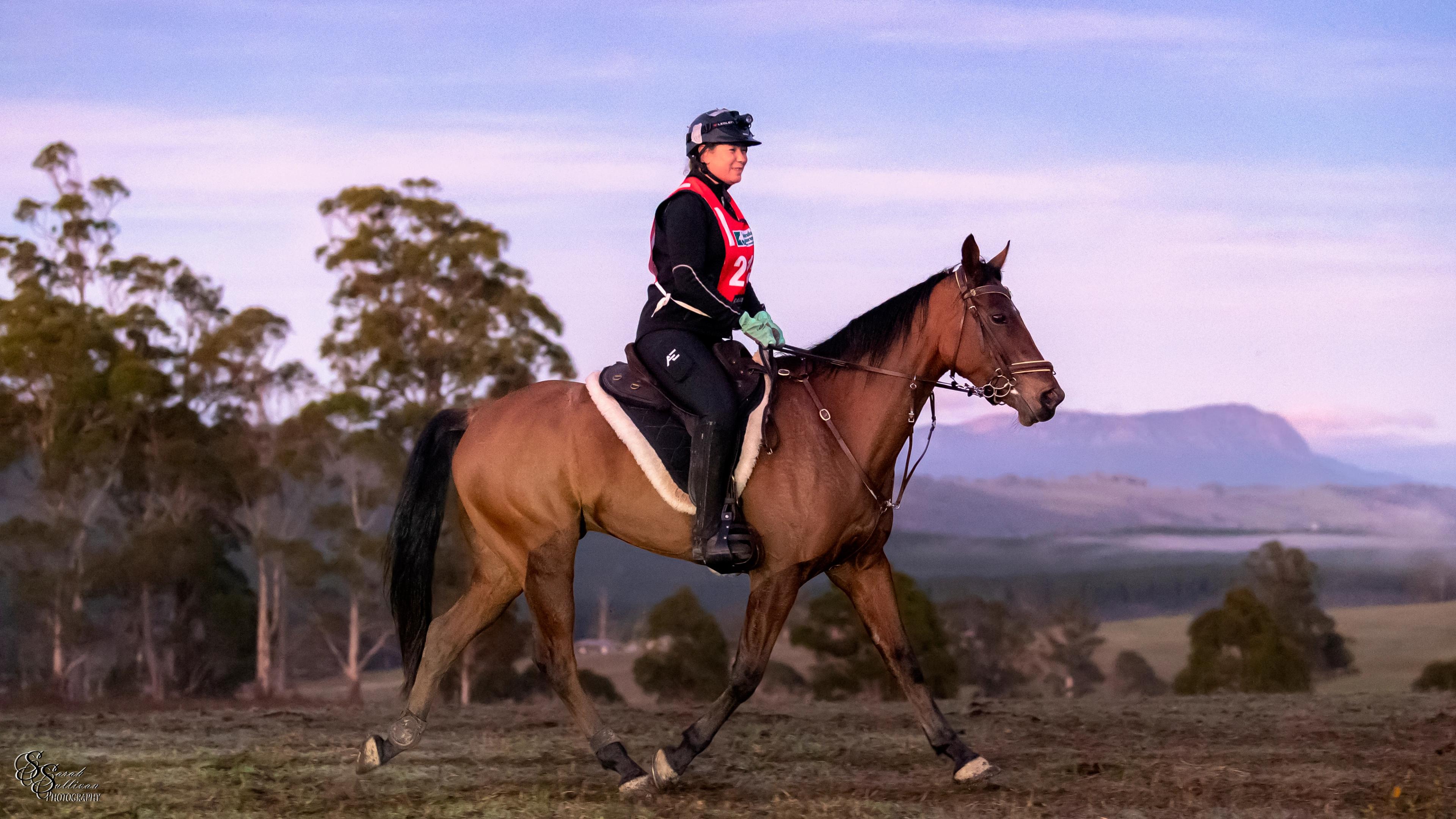
For proof that this technology has legs well beyond motorsport, look no further than 2025, when the Tom Quilty Horse Endurance Ride came to Sassafras, right here on our doorstep. “The Quilty” is Australia's toughest endurance ride, riders and horses covering 160km in 24 hours. SAS provided tracking solutions for the riders via their recently developed RSLite phone application, giving organisers, families and anyone with an internet connection a live map of every rider's progress and confirming, in real time, that they were headed the right way.
“It's great to be able to provide a tracking and safety solution for all different types of sport, the RSLite Phone app allows us to go into different markets with different budgets.”
Backing Their Own Backyard
Rallying has a bigger following than football in some European countries, a reminder of how far the sport still has to grow here.
As Stephen puts it: “Rallying continues to grow internationally, and we want to encourage the same trend here, which is why the next chapter of the SAS story is about giving back to our local community and grassroots rallying in Australia.”
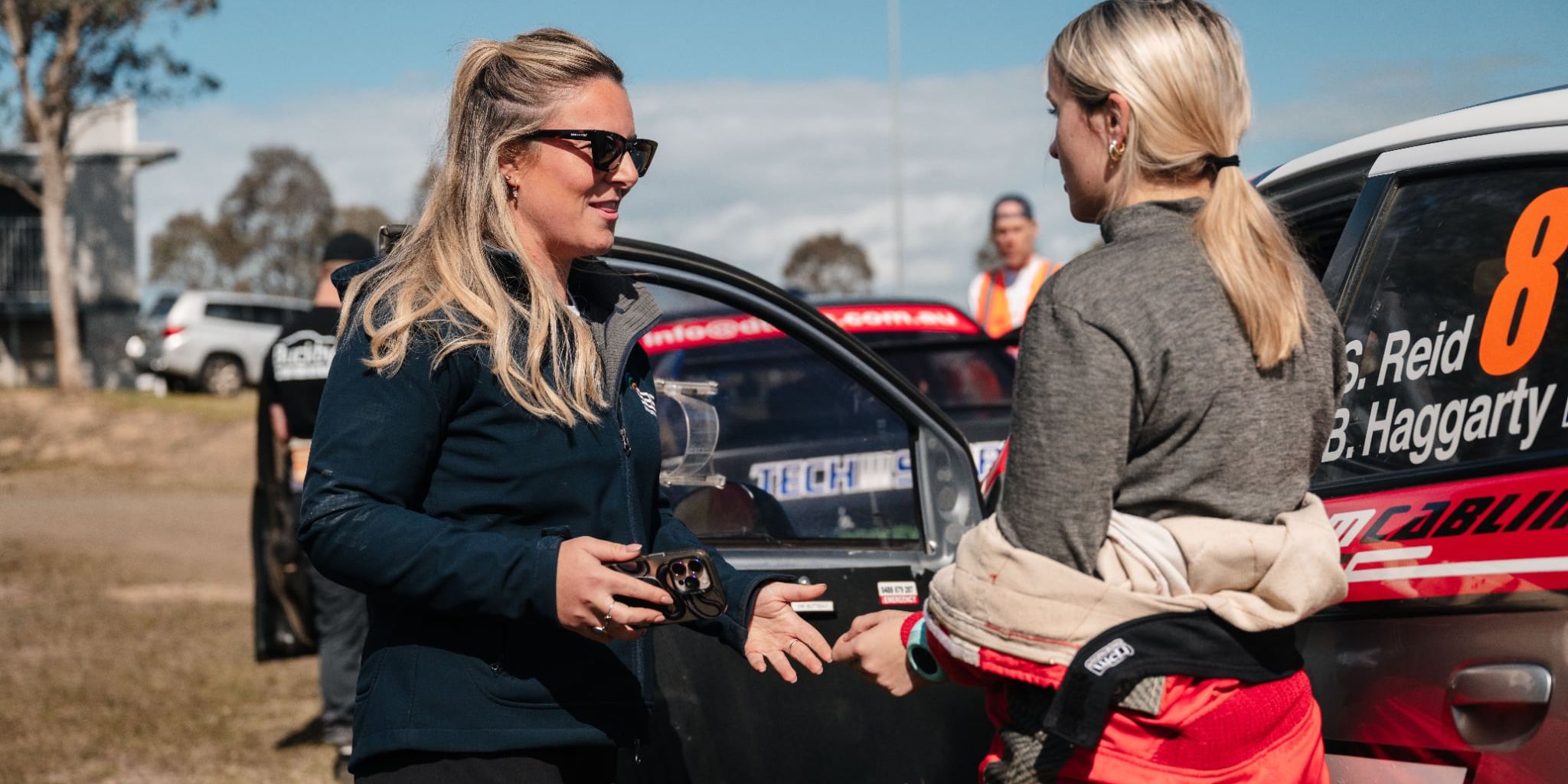
RallySafe is the proud naming rights sponsor of the Tasmanian Rally Championship, helping reduce costs for competitors, clubs and event organisers, and providing a live testing environment for the latest technology. Beyond Tasmania, RallySafe supports junior competitors across the country, helping build the next generation of drivers, co-drivers and engineers.
Behind the scenes, innovation never stops. SAS constantly refines its systems to stay at the cutting edge, every improvement driven by a simple reality: in rallying, the performance of their technology can make a life-saving difference.
Beyond the Rally Stage
“Motorsport and safety will always remain the heart of the SAS business. But the world is our oyster when it comes to where our technology could be deployed, because ultimately, we can track anything, anywhere in the world. And given what we've already achieved with horses, it's hard to bet against a few more unexpected applications yet.”
Search and rescue teams working in areas with no phone signal would recognise the problem instantly. Aged care providers and lone-worker safety schemes could find a use for the same OK and SOS logic already built into RaceSafe. Fishing fleets and aquaculture operators might find a natural cousin in RaceSafeH2O.
We are smugly positive that the team at SAS has plenty of new ideas up its sleeve. We won't give away any business innovation or invention secrets, but we see enough skill and potential in this company to say with confidence: “Watch this space, world. They will continue to amaze.”
People assume that world-class technology needs a glossy head office to match. SAS cheerfully rebuts that idea: they are living proof that some of the most sophisticated engineering on the planet is just as happy coming out of a modest old red brick building on the Central Coast of Tasmania as it is out of Silicon Valley. We wouldn’t have it any other way, because that’s what makes Central Coast tick!
We can't wait to see the next invention, and there's definitely some fancy new digs in the plan.