Stories
Dobmac Agricultural Machinery
Dobmac Agricultural Machinery: 44 Years of Building What the Land Demands
There’s a particular kind of stubbornness that belongs to people who’ve worked close to the earth all their lives. It’s not obstinance, it’s quiet certainty: if the tools don’t work, you build better ones. That’s exactly what Philip Dobson did.
It Started with an Accident and a Shed
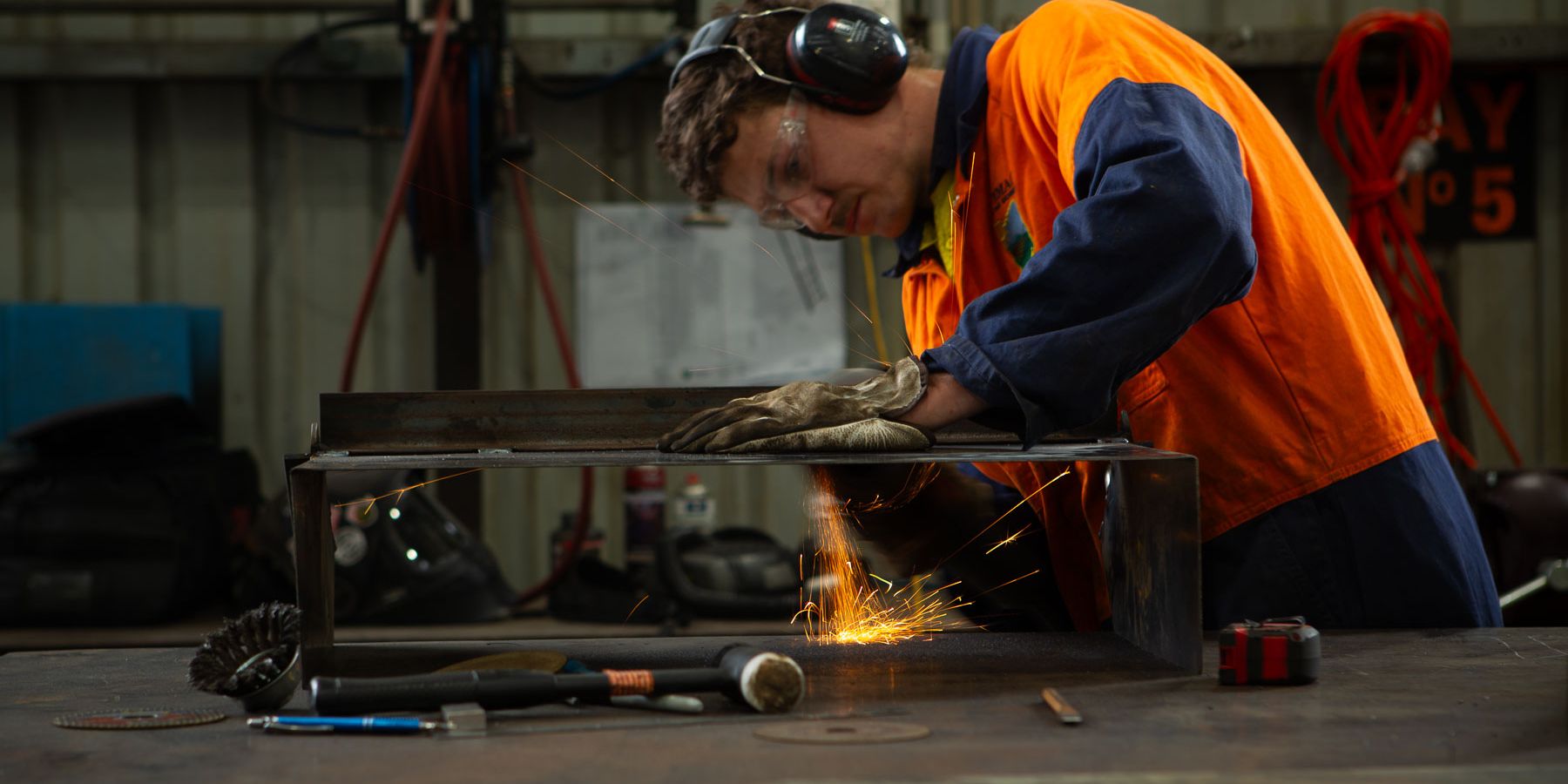
In 1983, Philip was a boilermaker welder and farmer who understood how things broke and how to fix them. When a tractor accident left him partially without the use of a leg, he started modifying machinery in his shed for local agricultural distributors, just to pass the time.
He noticed the imported European equipment north-west Tasmanian farmers relied on wasn’t built for here. It was designed for softer soils and gentler conditions. Our rocky, heavy clay country punished it.
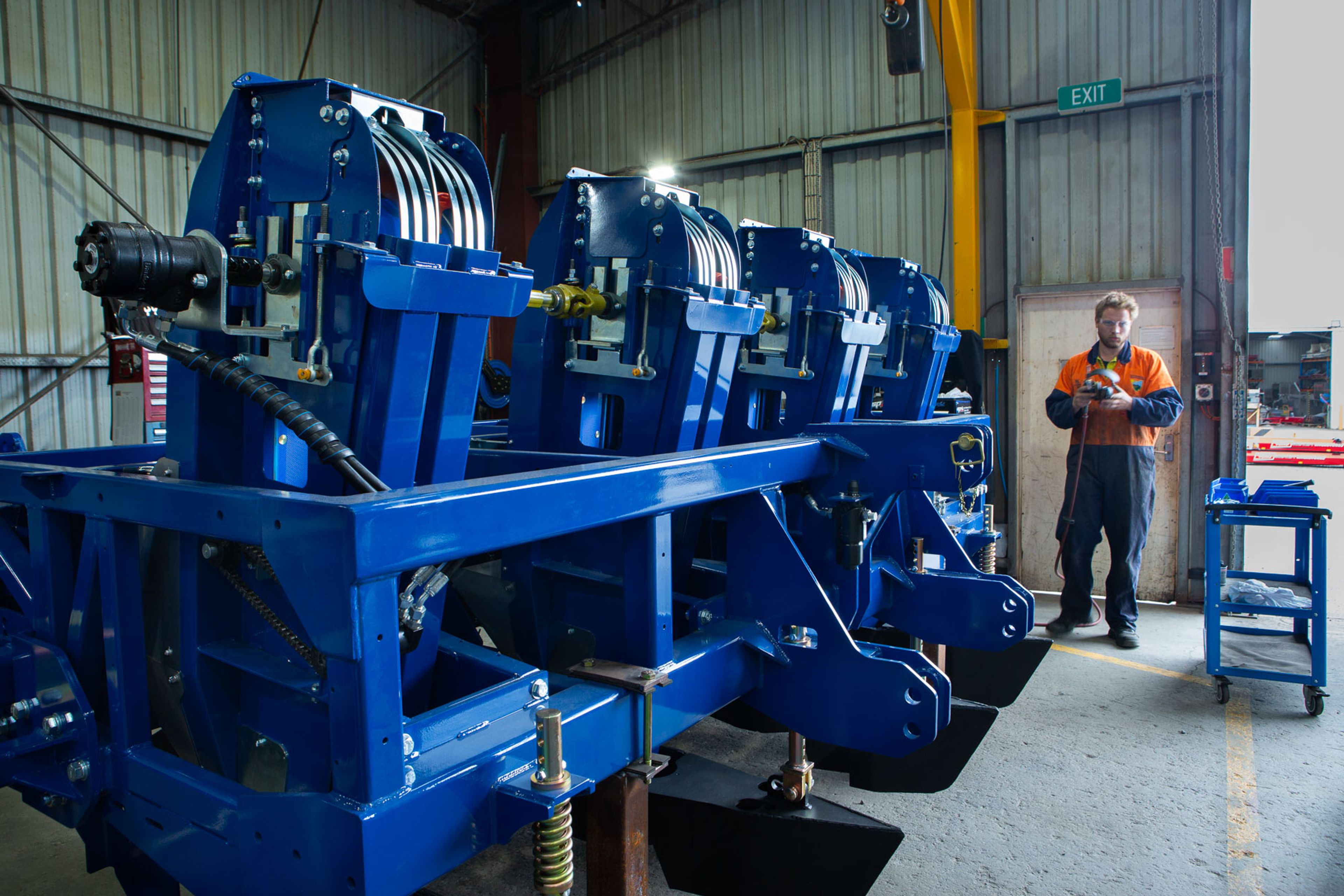
So Philip designed his own: a single-row potato digger, then a planter, both built specifically for Tasmania’s conditions, from the ground up, in a shed in Ulverstone. It was the start of one of the great quiet success stories of the Central Coast.
The Machine That Changed Everything
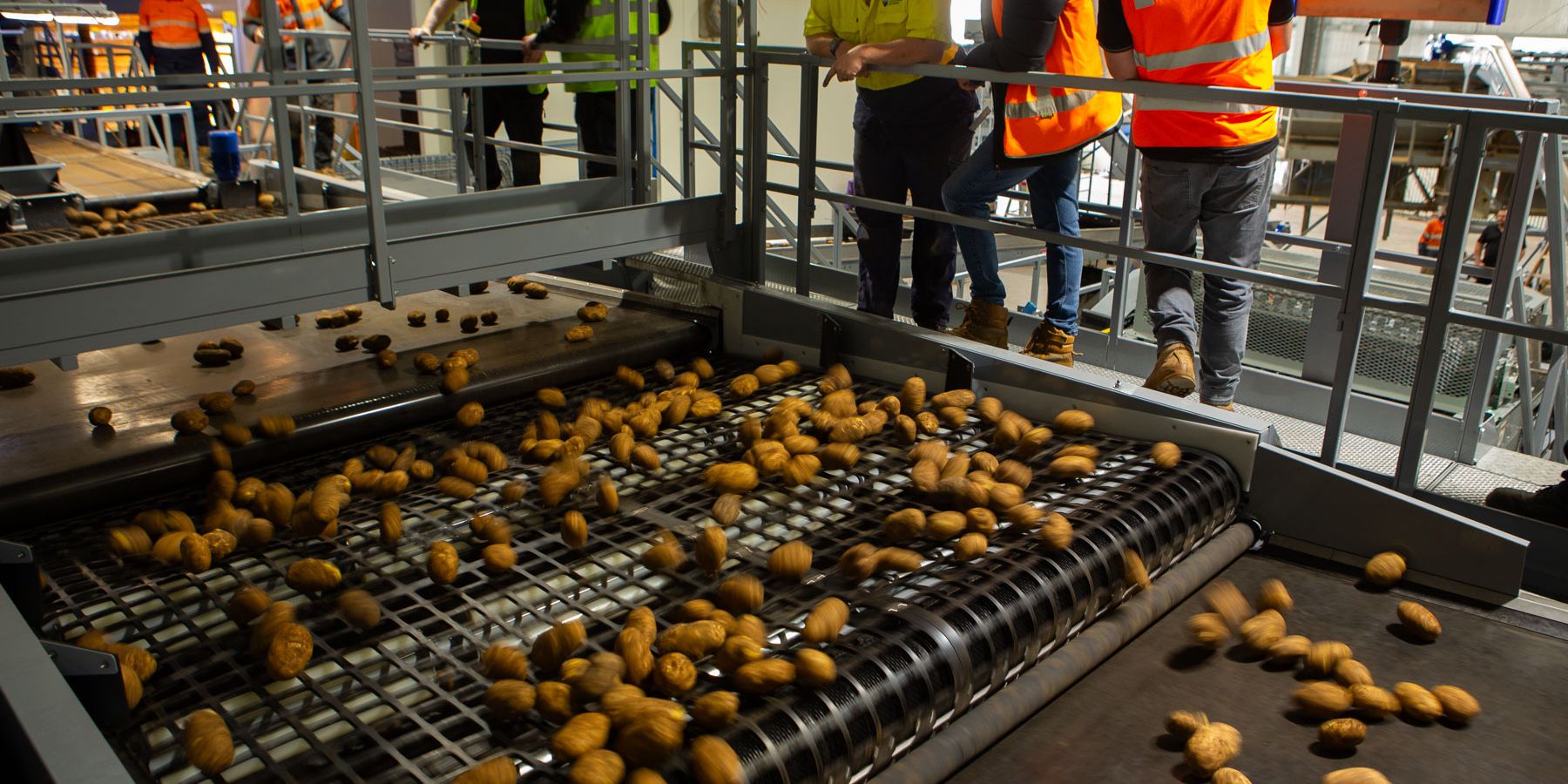
The first Dobmac Potato Planter, built in 1983, became the company’s flagship, earning international recognition far beyond the paddocks of the north-west. Those unforgiving conditions that demanded its design, the rocks, the heavy clay, the rough ground, made an exceptional proving ground: if a machine could work here, it could work almost anywhere.
Farmers in North America and beyond agreed, and the Dobmac Planter went international: a machine born in a Tasmanian shed, designed to solve a Tasmanian problem, becoming a globally recognised piece of agricultural engineering.
Two Wheels, a Tip Find, and a Broccoli Harvester
Not every innovation starts with a patent application. In the early days, to prototype an automated broccoli harvester and test cutting configurations, Dobmac didn’t find an engineer: they welded two salvaged bicycle frames from the local tip together and got to work. It’s that kind of practical, resourceful thinking that’s defined the business ever since.
The Second Generation
In 2003, Philip’s son Mark joined the family business, bringing his own ideas, including video-monitoring technologies for harvesters that were genuinely ahead of their time. Two strong-minded men working side by side made for the occasional robust discussion, but they worked it out, as fathers and sons do.
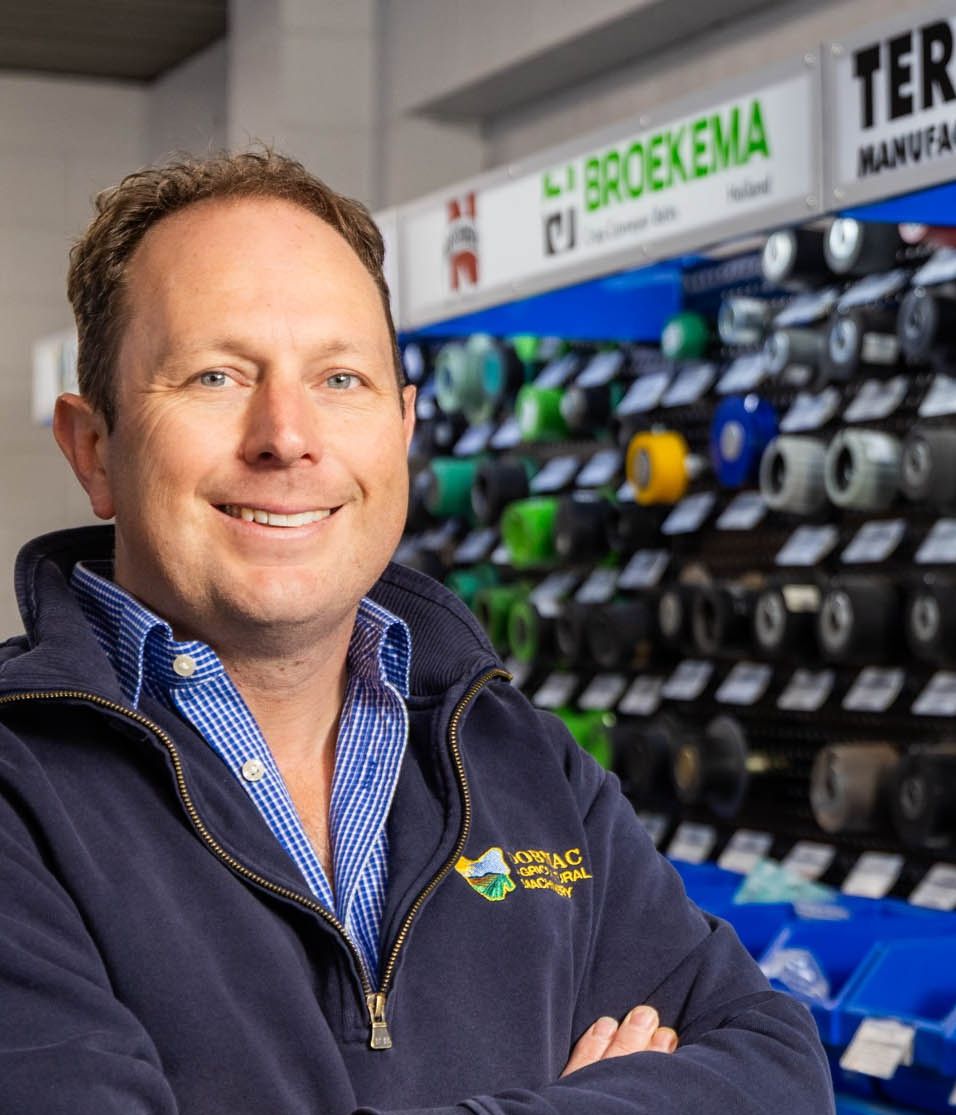
In time, the baton passed and Mark became Managing Director, the business stayed 100 per cent family-owned, and under his leadership, Dobmac grew into a specialist importer and distributor of the world’s best agricultural equipment, representing industry-leading companies from the UK, Europe and the USA: manufacturer and innovator on one hand, trusted gateway to global technology on the other.

The Backbone – Vale Judith Margaret Dobson 25.9.60 – 24.6.26
Behind every Dobson harebrained scheme, there’s been someone keeping it real. For Philip, that was his wife, Judith, the backbone of Dobmac for 44 years. “She was the organiser, the accountant, the admin,” Mark says. “She kept the ship straight.” It’s the same with Amanda and him: “I have the harebrained schemes, but Amanda makes them happen.”
Ask Mark if he tinkers in a shed like his father did, and Amanda answers first: “Yes, he does. He’s got a shed jam-packed to the rafters. He tinkers just like his father.” Mark laughs: “Not enough, I don’t have time, but I still like to play farmer sometimes on our thirty acres.” He’s even kept his grandfather’s tractor, one of the first Fords of its kind brought into Tasmania in 1965.
Judith passed away surrounded by her loving family just a few days before this story was published. We take comfort in knowing that the family read it to her, during her last days, and we hope the memories made her smile.
Knowing What Not to Build
Every long-running business learns the difference between what it can do and what it should do. Conditions across agriculture have shifted, both locally and abroad. One-off manufacturing, contract R&D, and ventures like robotic welding have quietly changed, not through any shortfall, but because the economics and the volumes no longer add up for a small Tasmanian manufacturer. It’s the same instinct Philip relied on in the shed: read the conditions honestly, then act on what they tell you.
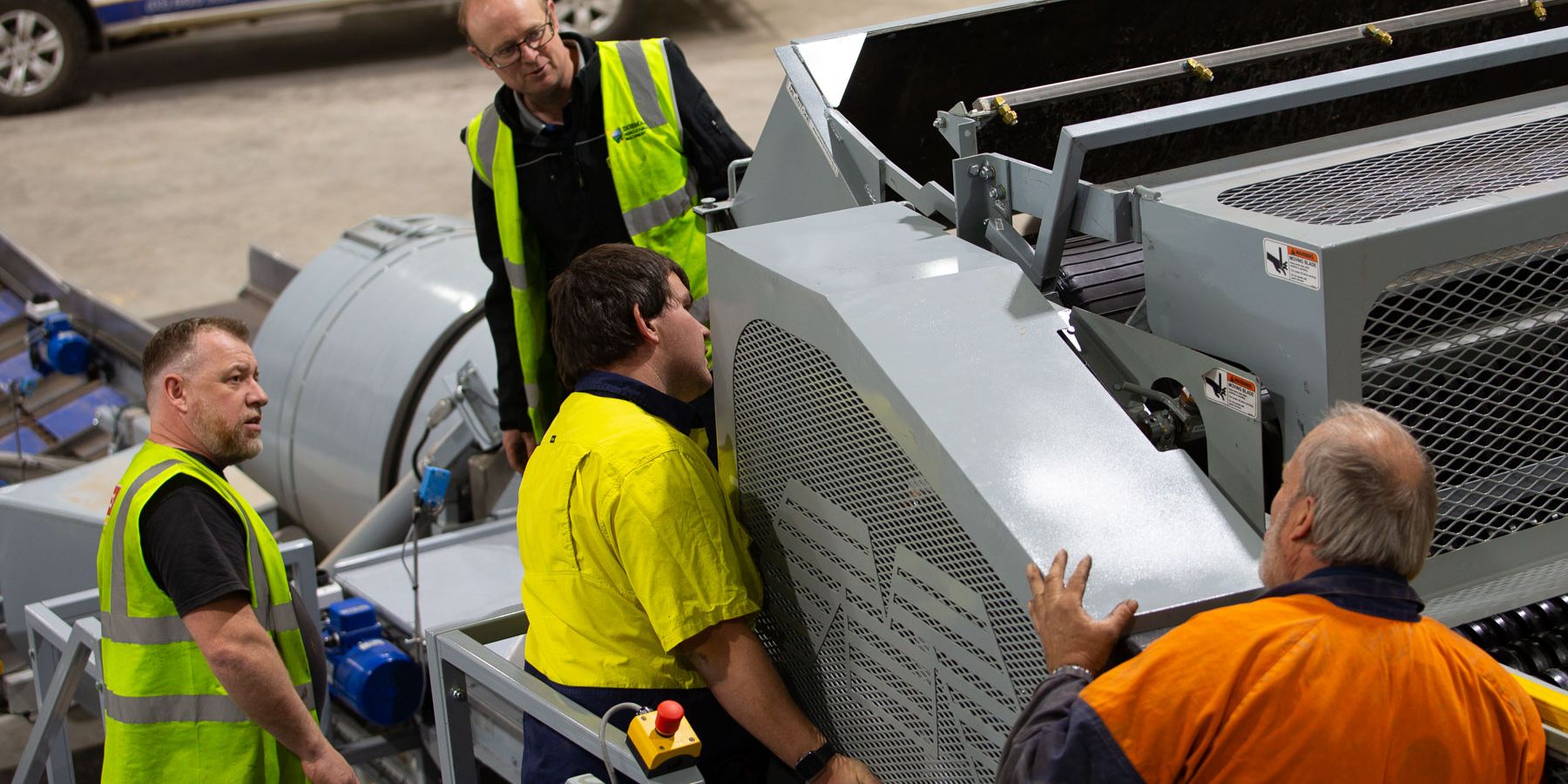
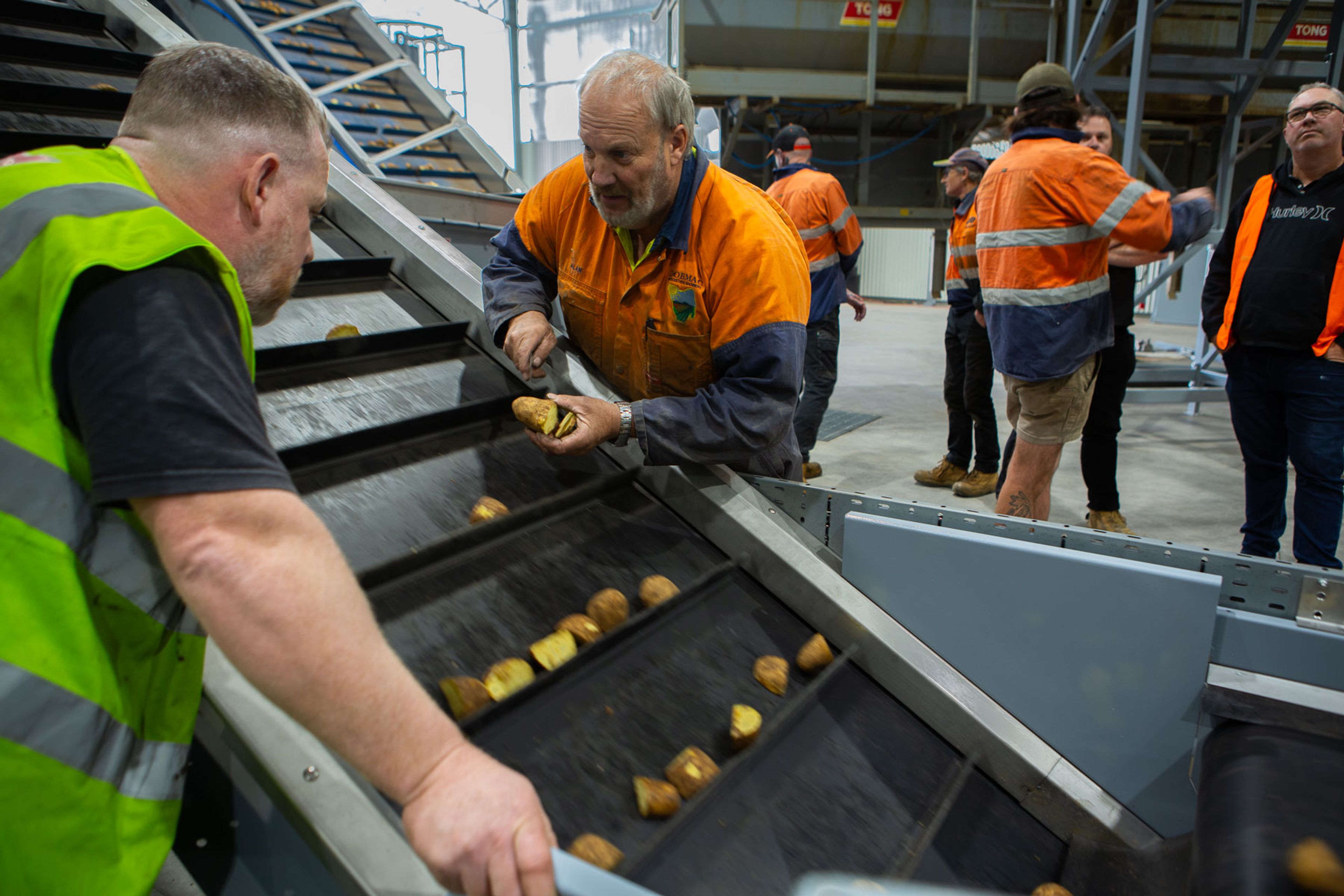
What stays is telling. The potato planter, the machine that started it all, is still built in Ulverstone, trusted by four decades of farmers to perform on ground that would break lesser equipment. The agency model, representing Lemken, Tong Engineering, AVR, Standen, Eqraft and others, has grown into the real engine of the business for the same reason: trust, earned paddock by paddock, that doesn’t transfer easily to a competitor. It’s also why international manufacturers keep choosing Dobmac, not as a factory to expand into, but as a partner whose name farmers already trust.
This is a very “Central Coast” story. Two generations of Dobsons have shown the same cleverness twice: Philip building a digger and a planter from scratch in a shed; Mark turning hard-won farmer trust into the region’s gateway to the best machinery in the world, both knowing when a product no longer earns its place, and being ready to pivot.
Tractor Seats Are the Best Sales Places
For Mark, the real secret to Dobmac’s longevity isn’t engineering, it’s relationships, with staff who often become friends, and with customers they work closely with, to find solutions that truly fit.
“Tractor seats are the best sales places,” he says. “Farmers don’t like meeting rooms; they like the field. If you’re going to fix something for them, you’ve got to see it through their eyes.”
It’s why the customers still buy Dobmac planters, and why that loyalty tends to follow them to other customers.
A Bigger Family Than You’d Think
Succession isn’t something Mark and Amanda map out for their kids: “Our kids have to see the world in their own way. If they want to come back to it, that’s their decision,” Mark says. But family at Dobmac means a lot more. Shep, Mark’s right hand man and self-appointed “fix everything else” man, has been part of the team for many years. His son James already wants to work at Dobmac one day. “When we talk third generation,” Mark says, “it’s not just the Dobson family, it’s our larger family of valued people. They’re part of us, and we love them for it.”
Forty-Four Years of Field-Proven Reliability
Today, Dobmac is one of the most trusted names in Australian and New Zealand agricultural machinery, and each partnership was earned the same way: by knowing what farmers actually need and backing the equipment they sell with real service and expertise.
That reputation started in a shed, built by a man who couldn’t get back on a tractor for a while, so he tinkered instead and built something better.
Forty-four years later, it’s Mark Dobson’s hands at the wheel, answering calls, solving problems, and making sure the business his dad started keeps delivering for the people who need it most: the farmers of the Central Coast: still the ones he shows up for first.
In Memoriam – Judith Margaret Dobson
Story by Kate Keenan, Central Coast Council